Your Inspection Comes First

Drywood Termites

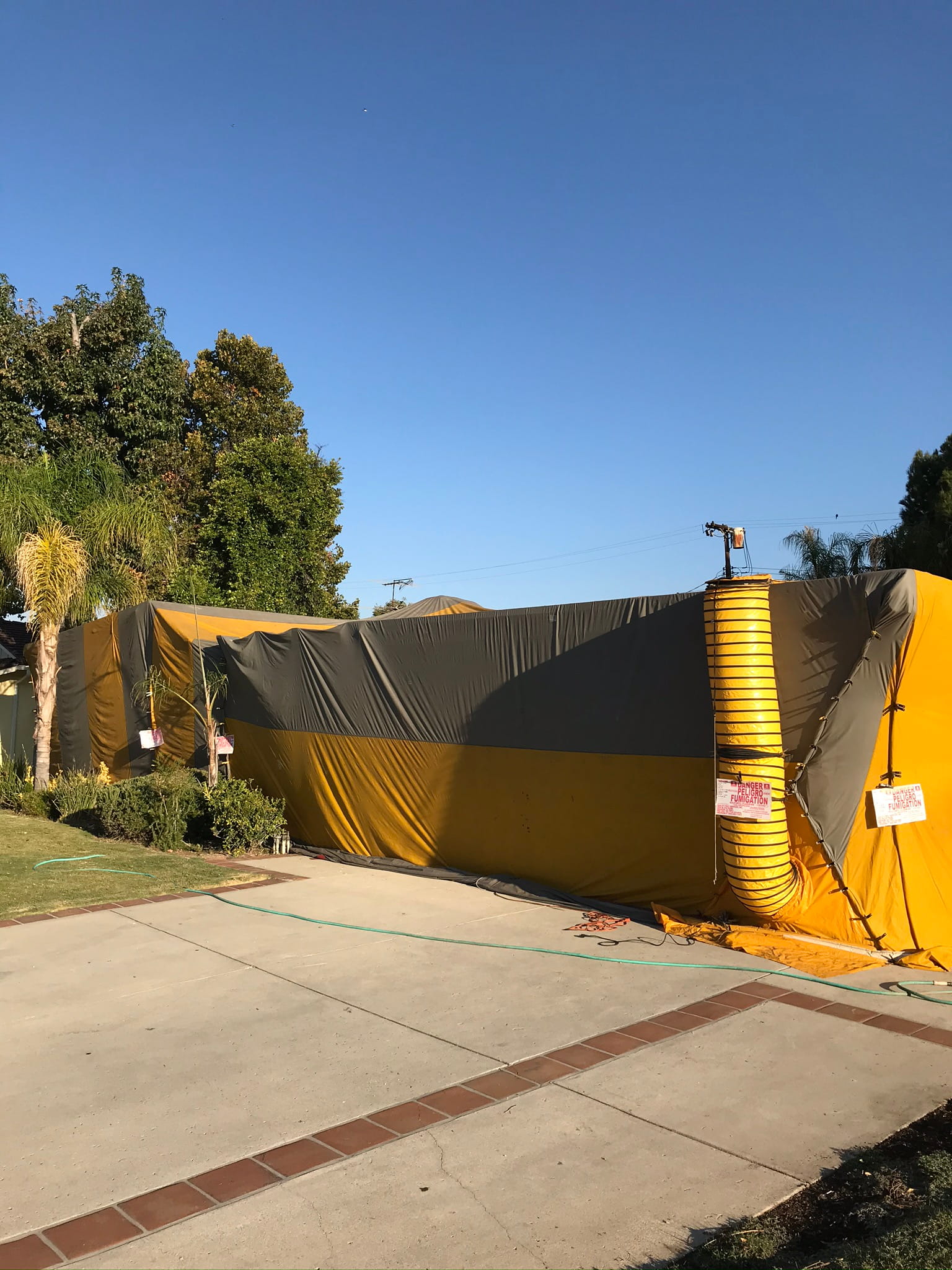
Fumigation for Drywood Termites (Whole-Structure Treatment)

Fumigation is a whole-structure treatment designed to eliminate drywood termites throughout an entire building. This process uses a professional fumigant, most commonly sulfuryl fluoride, which penetrates all areas of the structure where termites may be present.

The fumigant is odorless, colorless, and leaves no residue once the process is complete. Fumigation is highly effective because it reaches termites in areas that are otherwise inaccessible.

That said, fumigation is not always required. If the infestation is limited to specific areas, alternative treatments may be recommended. Your inspector will determine whether fumigation or another treatment option is appropriate based on the extent of activity.

Localized (Spot) Treatments for Drywood Termites

We understand that whole-house fumigation is not always the preferred option. In many cases, localized or spot treatments can effectively control drywood termites when the infestation is confined to specific areas.

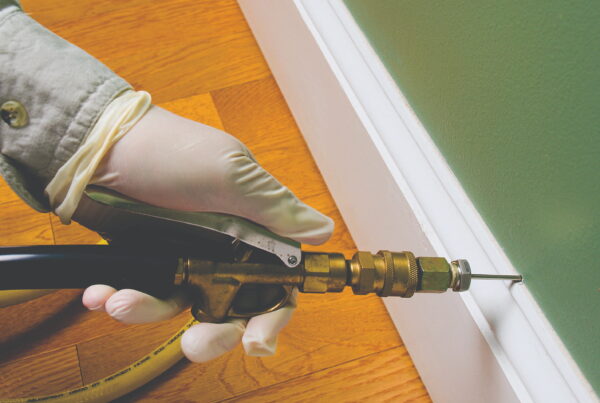
Spot treatments are applied directly to affected wood or targeted sections of the structure. Advances in termite control technology allow us to use non-repellent products that penetrate and crystallize within the wood, providing residual protection while remaining undetectable to termites.

These treatments can be less disruptive, more cost-effective, and allow homeowners to remain in the home during treatment.
Preventive Treatments for Drywood Termites

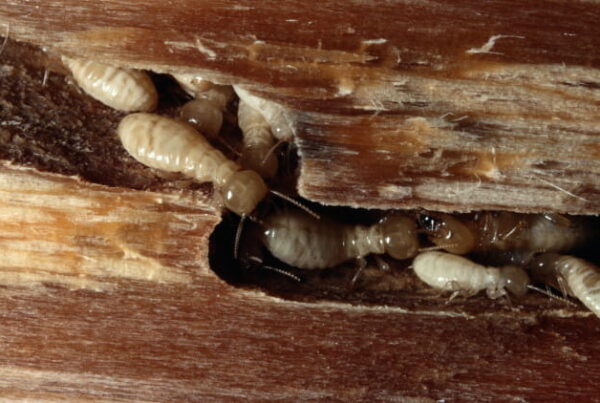
Even after treatment, termites can return if preventive measures are not taken. We offer preventive wood treatments using a non-corrosive borate mineral salt that penetrates deep into the wood and remains effective for years.

This treatment is applied to exposed wood in areas such as attics, sub-areas, wall voids, and soffits, creating long-lasting residual protection against drywood termites.

Preventive treatments are especially beneficial during new construction or remodeling projects. The product contains no VOCs, allowing application without disrupting construction crews, and can be applied at various stages of the building process.

Subterranean Termites

Subterranean termites live in the soil and require consistent contact with moisture to survive. They typically build mud tubes from the ground into a structure to access wood while protecting themselves from predators and dehydration.

In rare situations, subterranean termites may establish colonies without direct soil contact if alternative moisture sources are present, making professional evaluation essential.

Subterranean Termite Treatment Options

Control of subterranean termites focuses on creating a protective barrier between the structure and the termite colony. This is commonly achieved through:

  • Liquid soil treatments that establish a continuous insecticide barrier around and beneath the structure
  • Termite baiting systems installed in the ground, which termites feed on and share with the colony, leading to population control over time

Your inspector will recommend the most effective treatment method based on your property’s construction, soil conditions, and level of activity.